
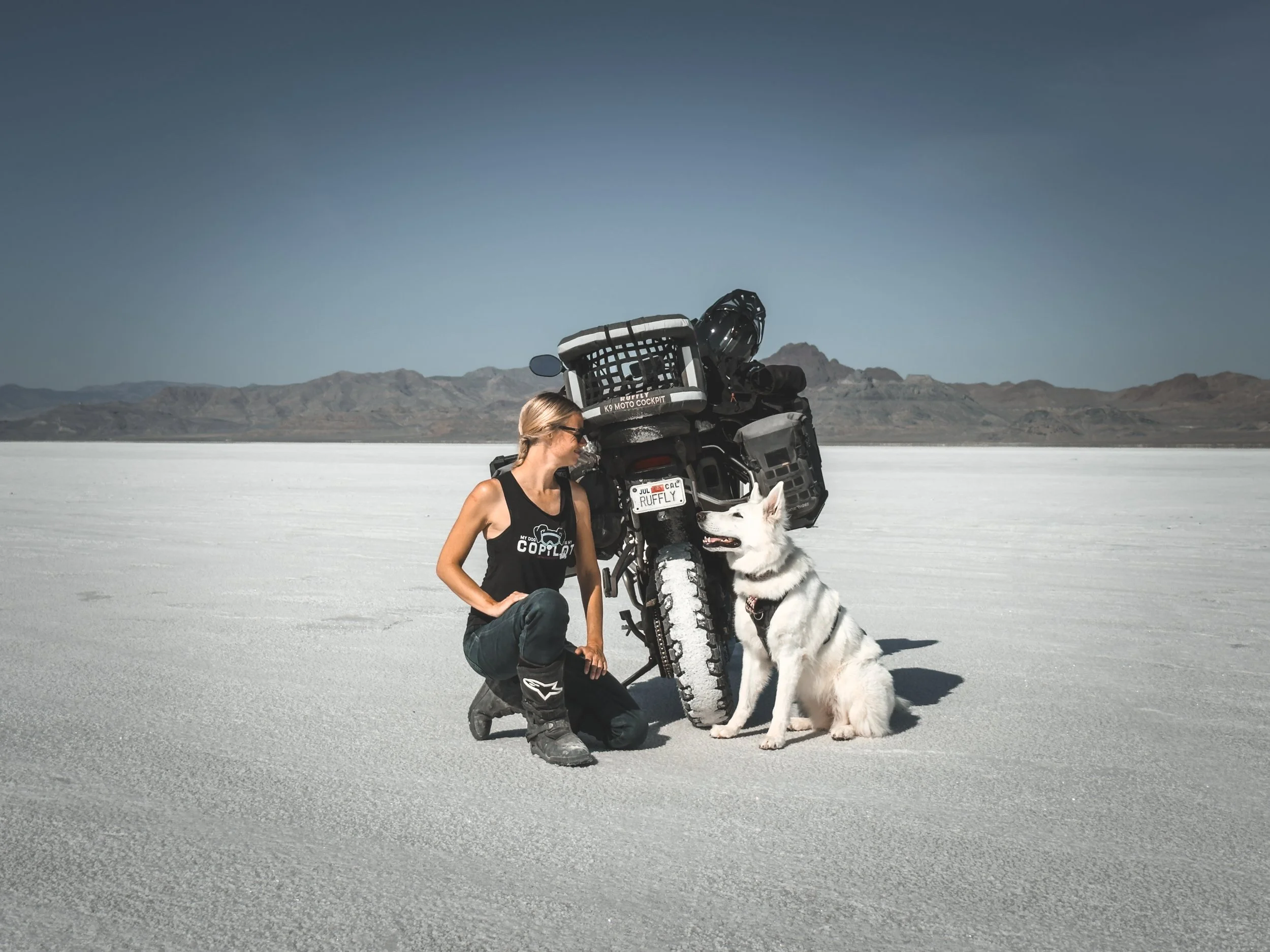
What started as an 18-month motorcycle adventure has turned into four years on the road for Jess and Greg Stone, travelling with their dog while running their business along the way. From the Arctic Ocean to the southern tip of South America, they've faced difficult roads, unexpected dangers, and plenty of complications. Now, with Africa ahead of them, they share how this extraordinary journey began, the challenges of motorcycle travel with a dog, and the unexpected things they've discovered along the way.
Six years after Southward Chronicles, Jeremy Kroeker and Elle West are setting out again—this time heading south through Africa by motorcycle. Despite years of travel experience, they begin feeling unprepared, underfunded and more apprehensive than ever. Backroads of Africa follows their journey as it unfolds.
Think about the last time something surprised you on the road or trail and you had to get on the brakes—hard and fast. What did that feel like? Was it unnerving? Did the motorcycle suddenly feel like something you were fighting to control? It doesn’t necessarily have to feel that way. Maximum braking is a skill, but there are things to understand about your motorcycle before you even get to practising it. Clinton Smout from Smart Performance Centre takes us through what riders need to know to become more comfortable, confident and capable when they really need to stop.
Matt van Hilst carefully plans a solo motorcycle ride and repeatedly chooses caution when conditions change. Yet the day still ends in DEEP TROUBLE, raising a difficult question: can every crash be traced back to a mistake—or a series of them?
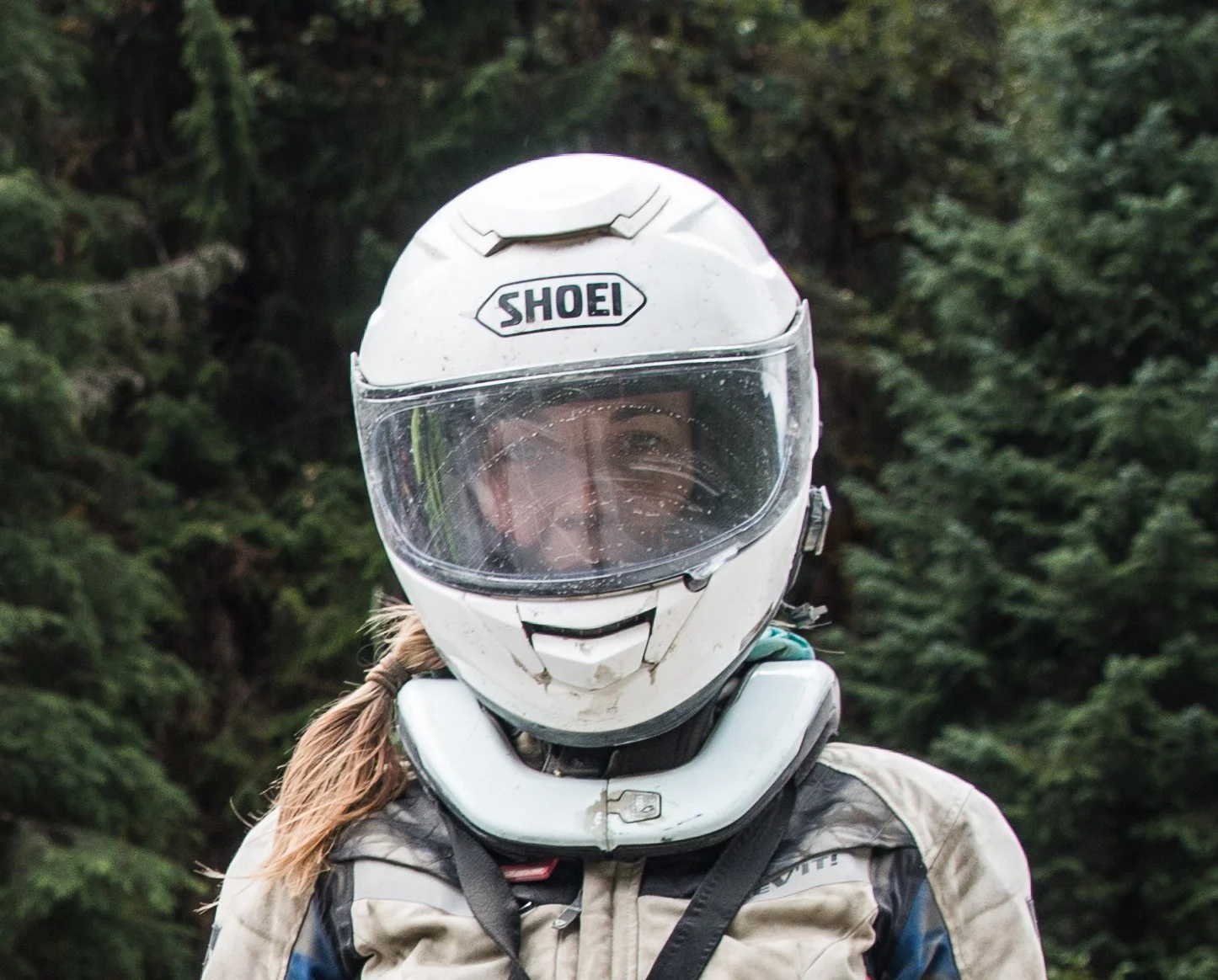
Some opportunities don’t wait around forever. Heather Lea’s life has been shaped by the ones she chose not to let pass—from adventure and solo travel to motorcycles and a journey that would take her much farther than she ever expected.
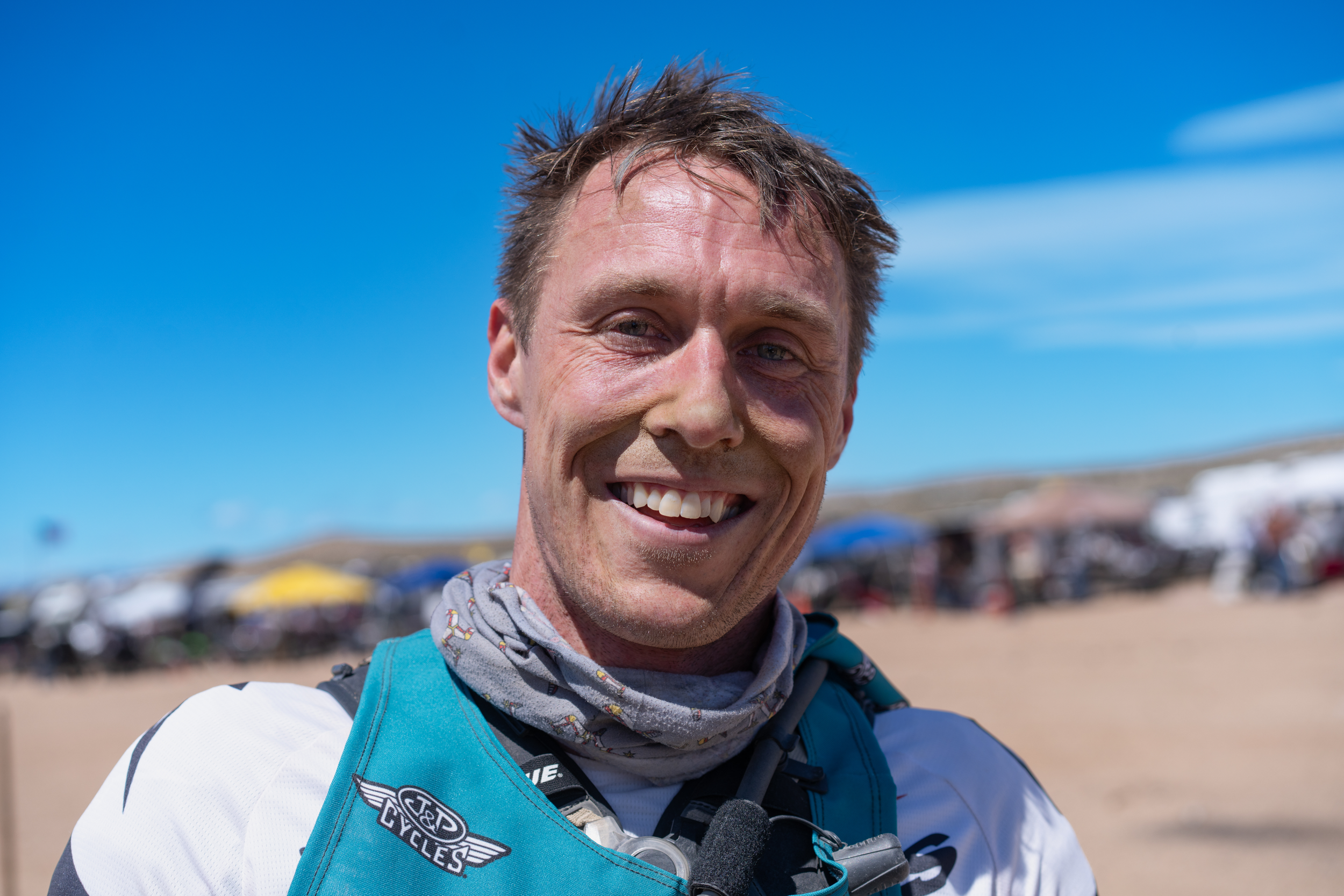
After a motorcycle racing crash left his father with a traumatic brain injury, Ari Henning’s family life with motorcycles came to a stop. Years later, a journey shaped by his father’s past began leading Ari toward Motorcyclist, RevZilla and a career neither of them could have planned.
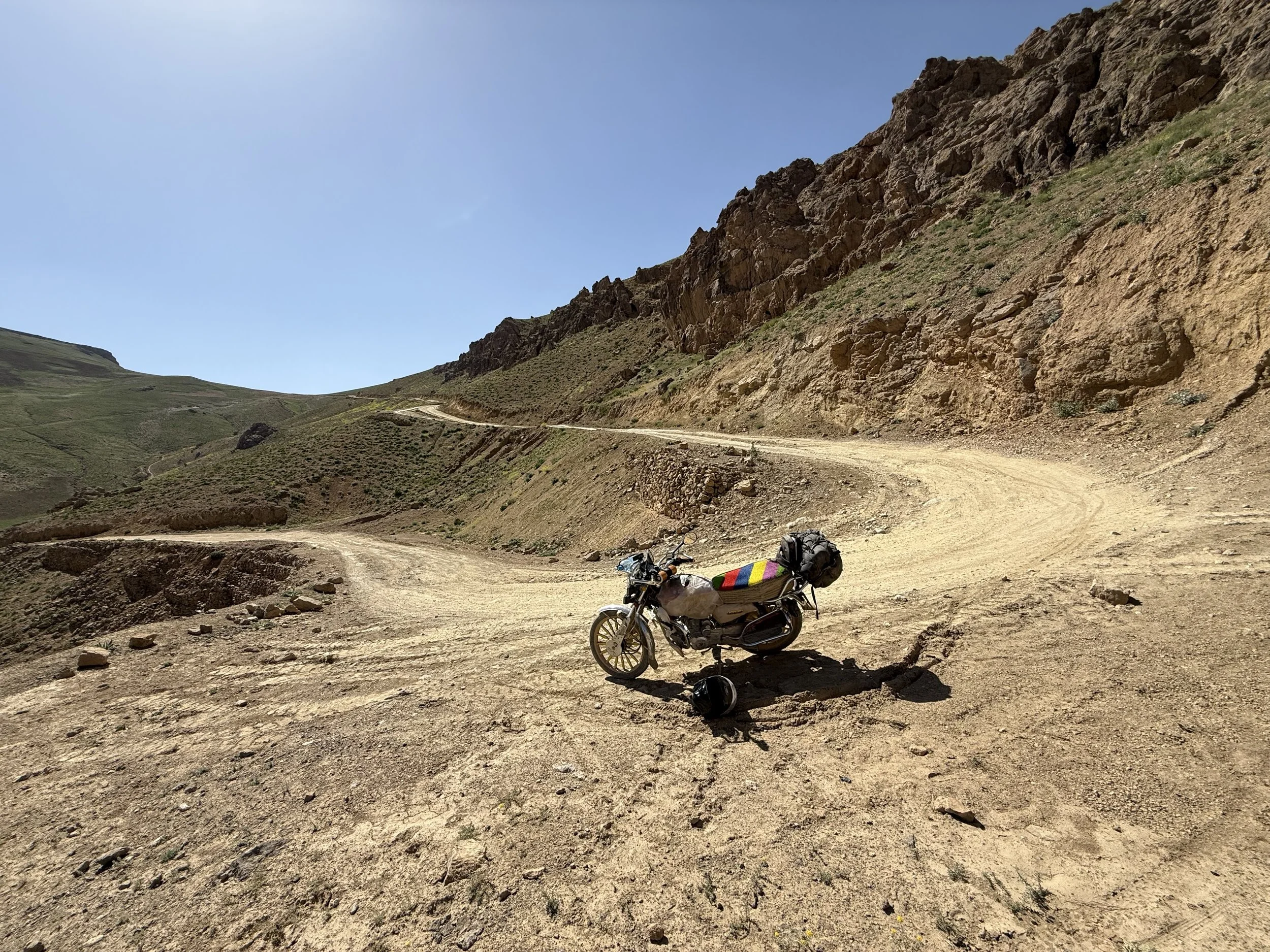
Marc Weitz had never owned a motorcycle, wasn’t much for a plan and had three sources pointing toward two different routes. Then he rented a bike in Kabul and set out across Afghanistan toward the Minaret of Jam. Which route would he trust—and how would he know whether he was still on a road at all?

Adventure motorcycle training is everywhere today—but who worked out how these big motorcycles should be ridden off pavement, and how did those techniques become a formal curriculum? Clinton Smout joins Jim to explore where the training came from, why standards matter, and what riders of any brand should realistically expect from a professional course.
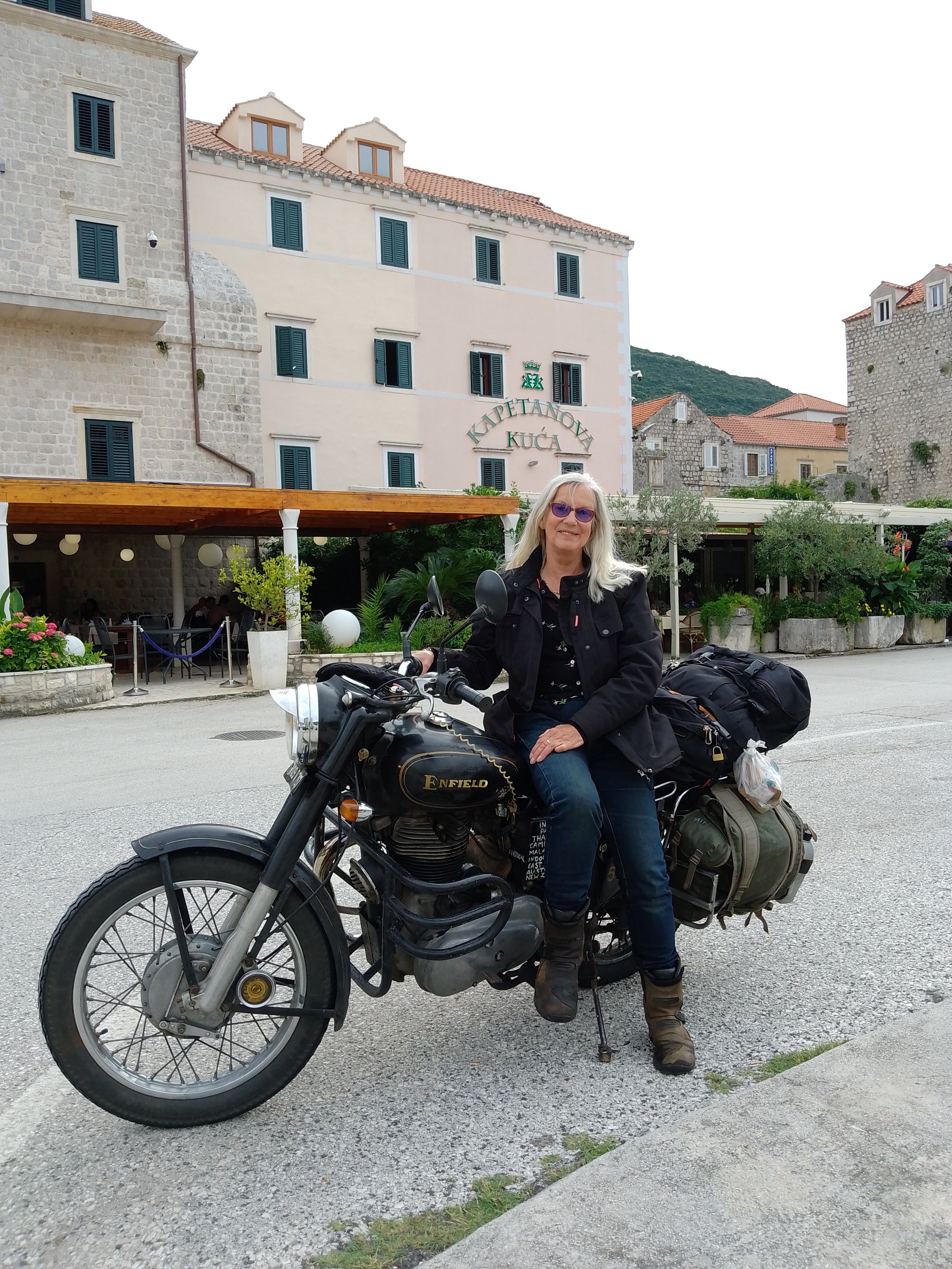
We spend a lot of time making motorcycle travel easier. More reliable bikes, GPS navigation, online bookings and help that may be only a message or a call away. Jacqui Furneaux has spent years travelling very differently. Her old Royal Enfield has broken down, she's relied on maps and strangers for directions, and she often leaves room for not knowing exactly what happens next. Some of the experiences she values most happened precisely because something didn't go according to plan. So as motorcycle travel becomes safer, easier and more predictable, what are we gaining — and what might we be insulating ourselves from? Are we engineering some of the adventure out of motorcycle travel?

Loading an adventure motorcycle changes far more than its weight. It affects the bike’s balance, suspension, braking, maneuverability and traction—and can make familiar terrain feel completely different. Clinton Smout explains how to pack the bike properly, why weight placement matters, what changes once the motorcycle is loaded and what riders should consider before setting off.
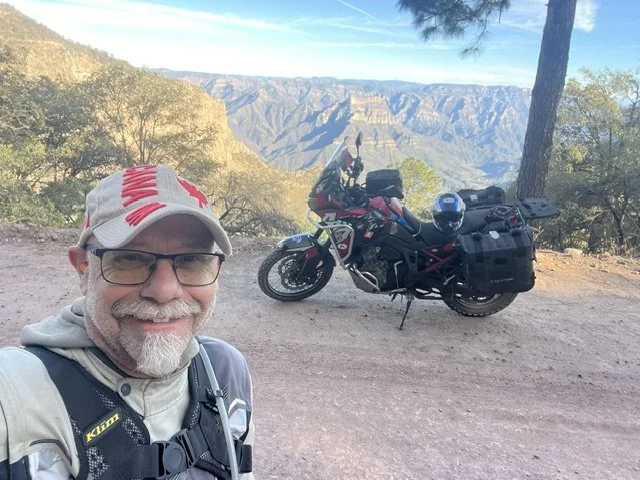
Motorcycle traveller Andy Scherer was riding alone through a remote part of Mexico when a series of troubling encounters led to armed roadblocks—and his abduction. In this episode of Deep Trouble, Andy and his daughter Leslie share what happened, the decisions he faced and what other motorcycle travellers can learn from the experience.
A motorcycle first aid kit often gets treated like an extra — something for remote trips, cautious riders, or people with medical training. But if riding motorcycles carries risk, then first aid should be part of the preparation. Not just a small pouch of bandages, but a kit that makes sense for motorcycling, the places we ride, and the situations we may come across.
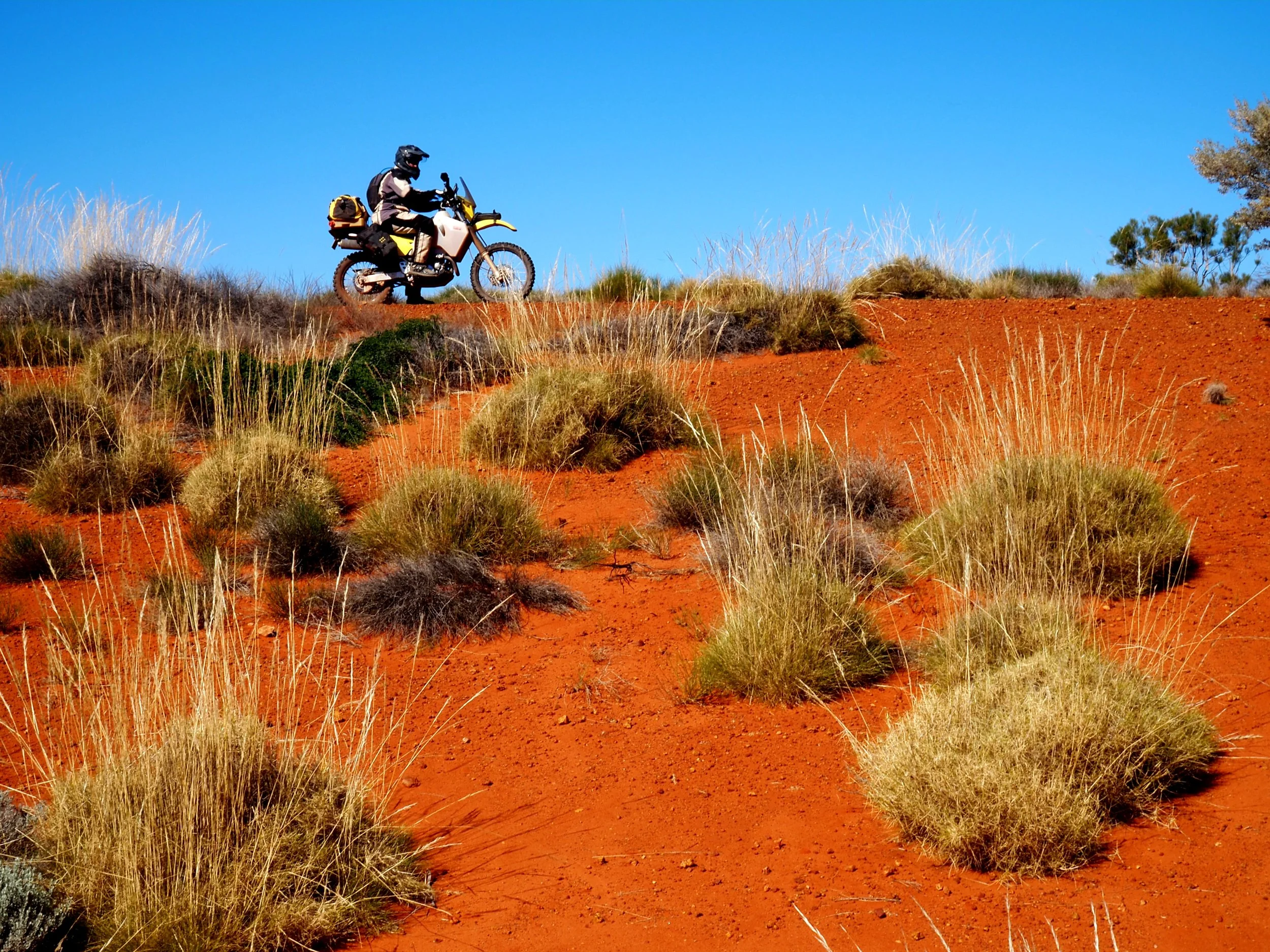
Nearly 50 years after a magazine story planted the dream of crossing Australia by motorcycle, Allan Waldon finally set out to make it happen. Riding unsupported with his mate Adam on two small motorcycles, he faced more than 6,000 kilometres of remote desert, flooded roads, deep gravel, fierce winds and slippery red clay. This is the story of two riders crossing a continent—and one man proving it’s never too late to pursue a lifelong dream.
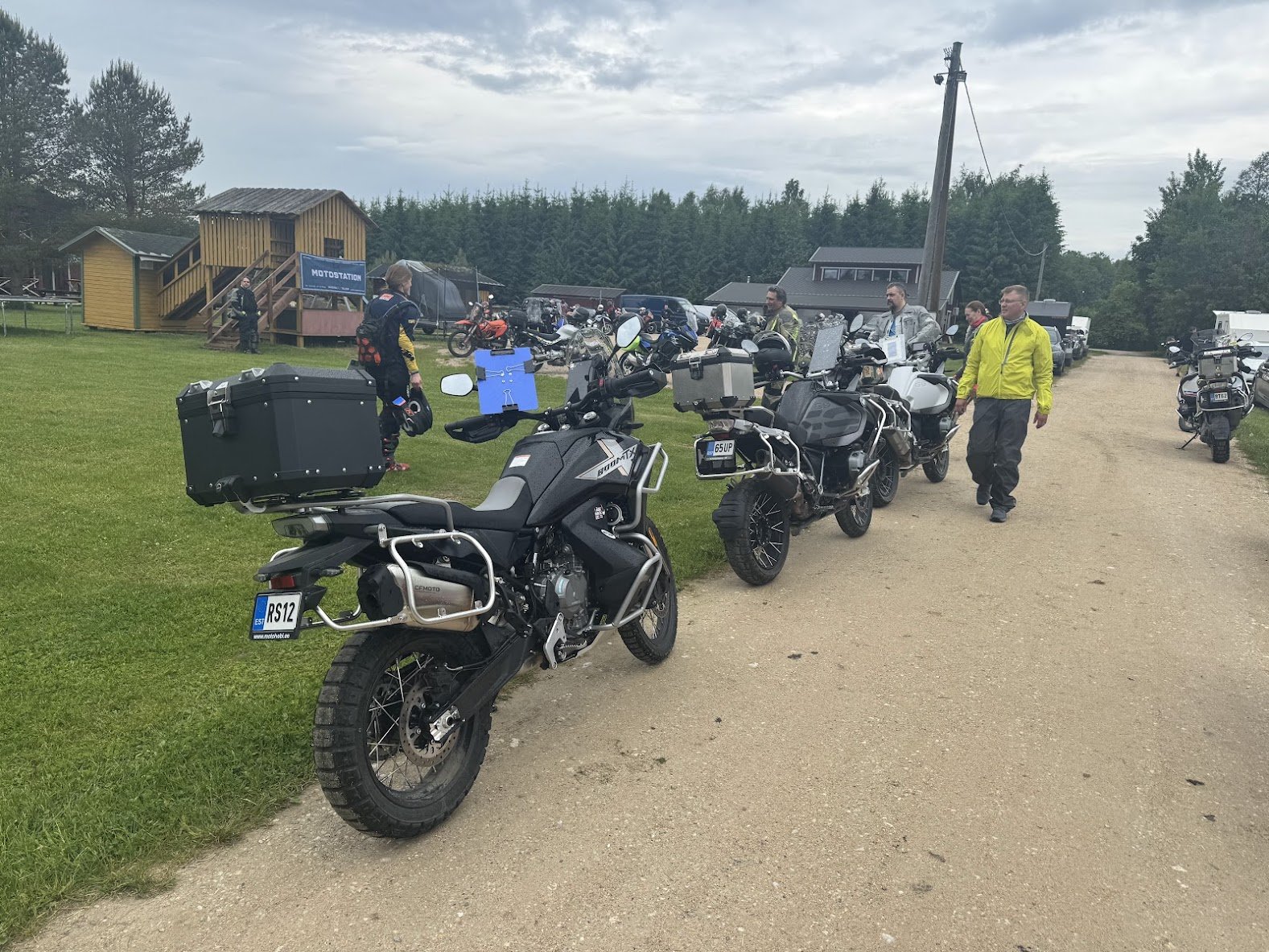
In a world of GPS tracks and turn-by-turn directions, motorcycle orienteering brings riders back to paper maps, route choices, checkpoints, and discovery. Andrei Tuch explains how moto-orienteering works in Estonia, and why finding your own way can still be part of the adventure.
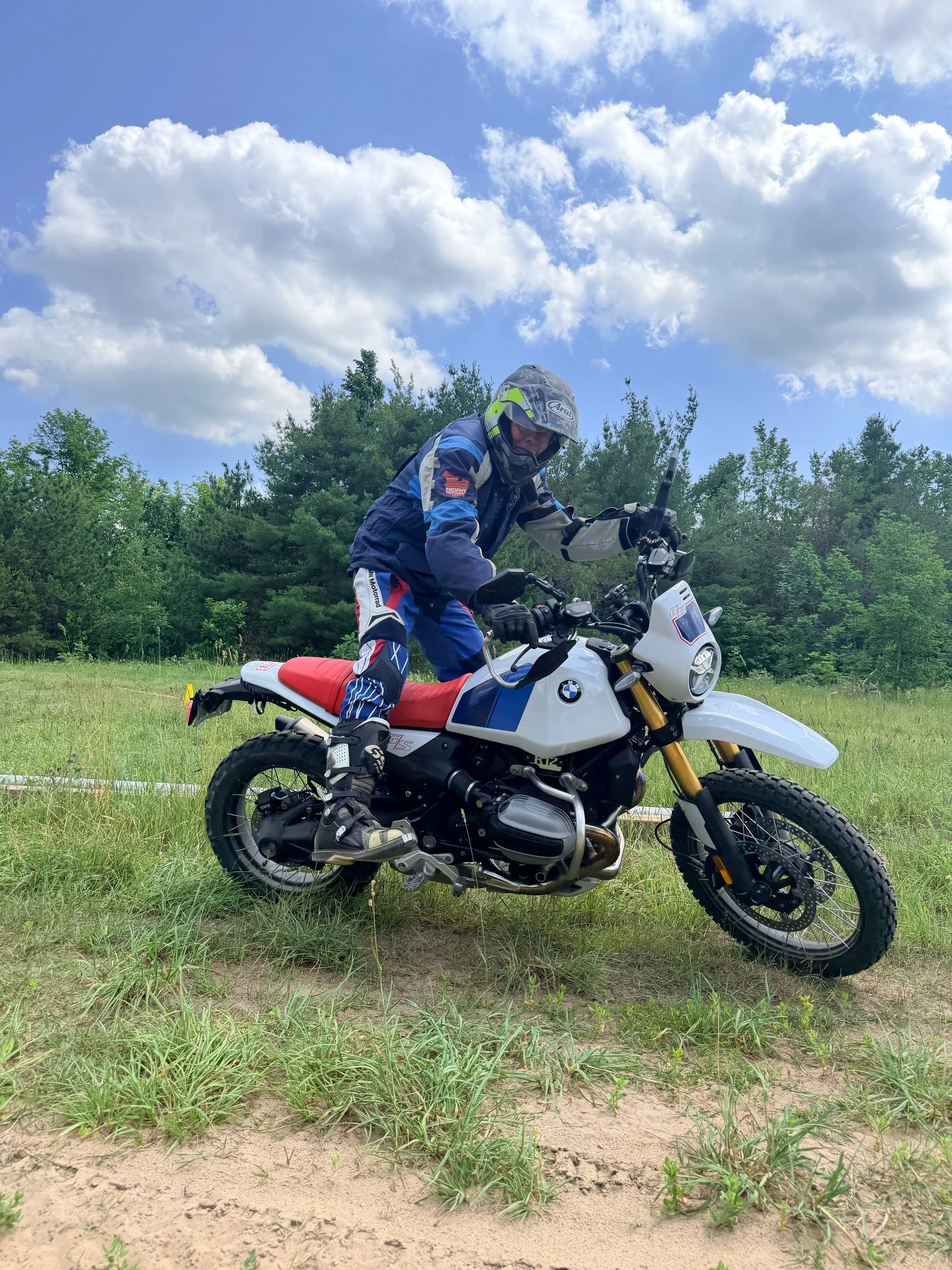
Balance on a motorcycle is often treated like something a rider either has or does not have, but low-speed motorcycle balance is a skill that can be learned, practiced, and refined. Clinton Smout from SMART Performance Centre and host, Jim Martin, examine what happens when the bike slows down, how riders manage balance through steering, peg weighting, body position, acceleration, and foot placement, and what putting a foot down can reveal about motorcycle control, confidence, and riding skill.

Before comparing tents, sleeping pads, stoves, and other motorcycle camping gear, ask yourself one question: What kind of camping experience do you actually want? In this episode, Ben Williams of Moto Camp Nerd explains how defining your travel style first leads to better gear choices and a camping setup that works for you—not someone else's packing list. Michnus and Elsebie Olivier of PikiPiki Overland and Turkana Gear also share lessons learned from years of motorcycle travel, including what they've overpacked, what they've replaced, and what has earned a permanent place in their kit. It's a practical conversation about choosing gear with purpose, not just following the latest trends.
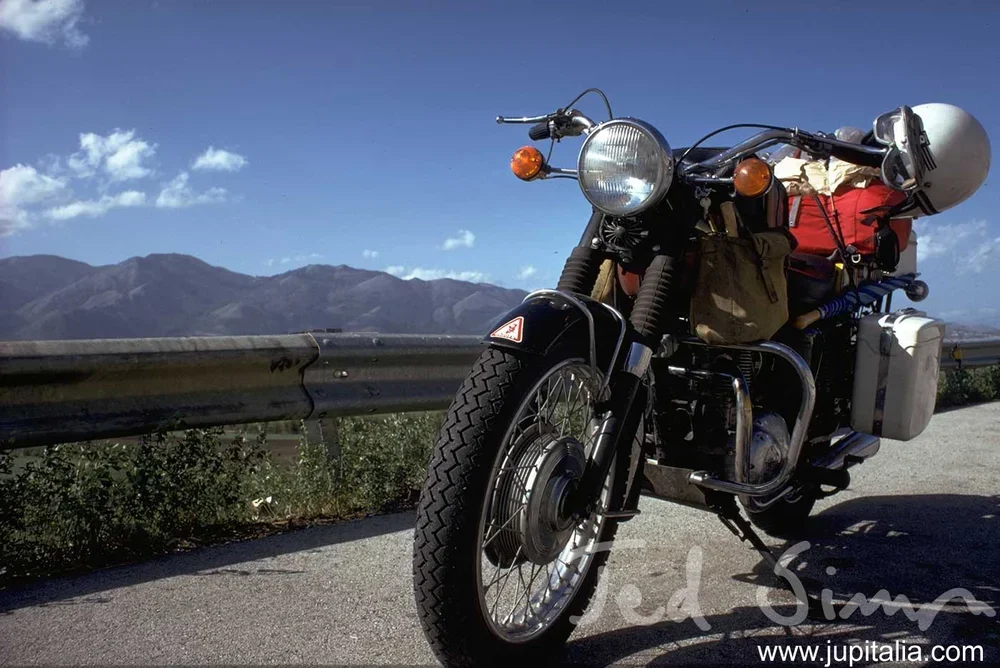
Ted Simon is best known as the author of Jupiter’s Travels, one of the most influential motorcycle travel books ever written. Robert Pirsig’s Zen and the Art of Motorcycle Maintenance is another book that has long held a strange place in motorcycling culture: widely known, often recommended, and perhaps just as often left unfinished. In this conversation, Ted talks about finally reading Pirsig’s famous book and why it matters to him in a way listeners might not expect. Is it really a motorcycle book? Why has it stayed in the minds of riders for so many years? And what does motorcycle maintenance mean when the machine beneath you is not just a symbol, but the thing that determines whether the journey continues? What begins with one famous motorcycle book soon opens into Ted’s own memories of travel, breakdowns, repair, and the very practical reality of keeping a journey alive when there is no easy answer and no one else to do the work.
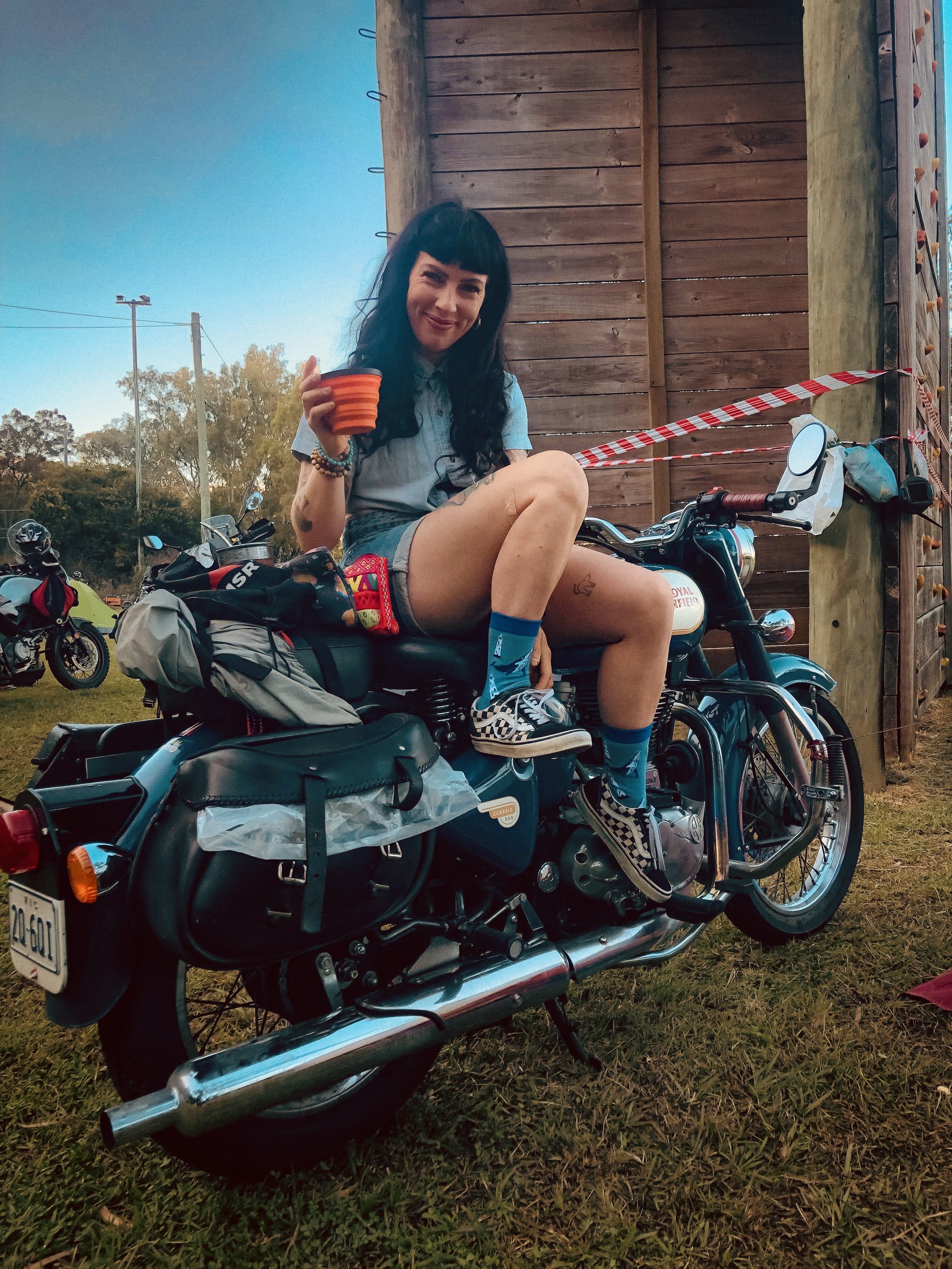
Lala Barlow was working in musical theatre in Melbourne, Australia, when the pandemic brought the industry to a halt. Drawn to motorcycles, mountains, and Patagonia, she spent years preparing for a solo motorcycle journey through South America, including a four-month shakedown ride across Australia. Lala shares what it takes to plan a major adventure, travel alone in unfamiliar countries, manage fear and uncertainty, and ride through Peru, Bolivia, Argentina, Chile, and Patagonia. A conversation about preparation, perseverance, and turning a dream into reality.
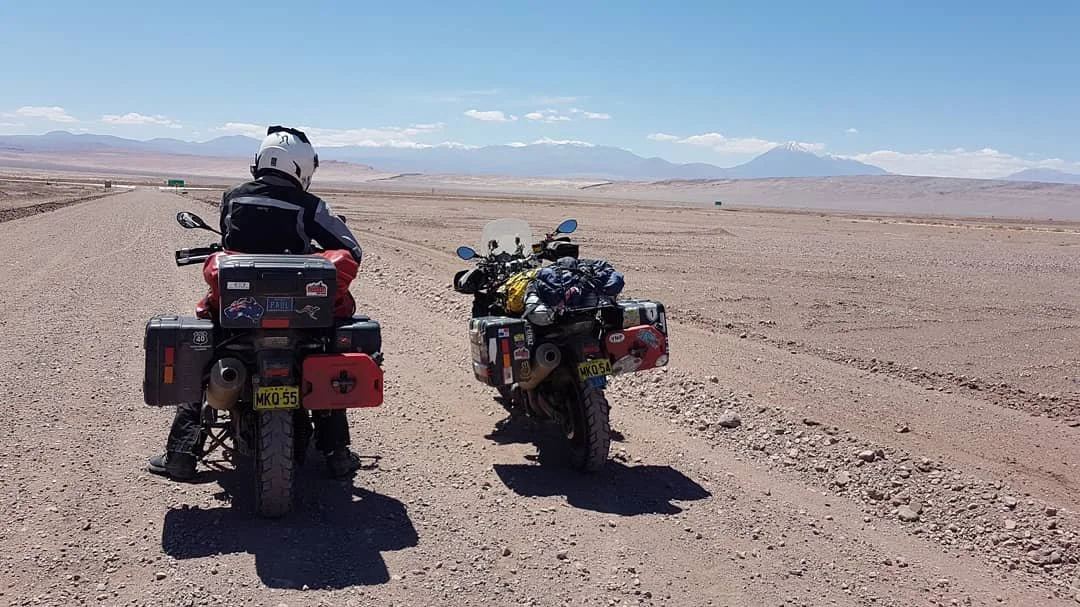
As we celebrate 12 years of Adventure Rider Radio, we're bringing back a story that still resonates today. Drawn together by motorcycles and a shared curiosity about the world, Maryna Matthew and Paul Knibbs left behind the security of established careers to pursue a life of adventure. Their journey is a powerful reminder that some of life's greatest opportunities begin with a single decision: to stop waiting and simply say yes.
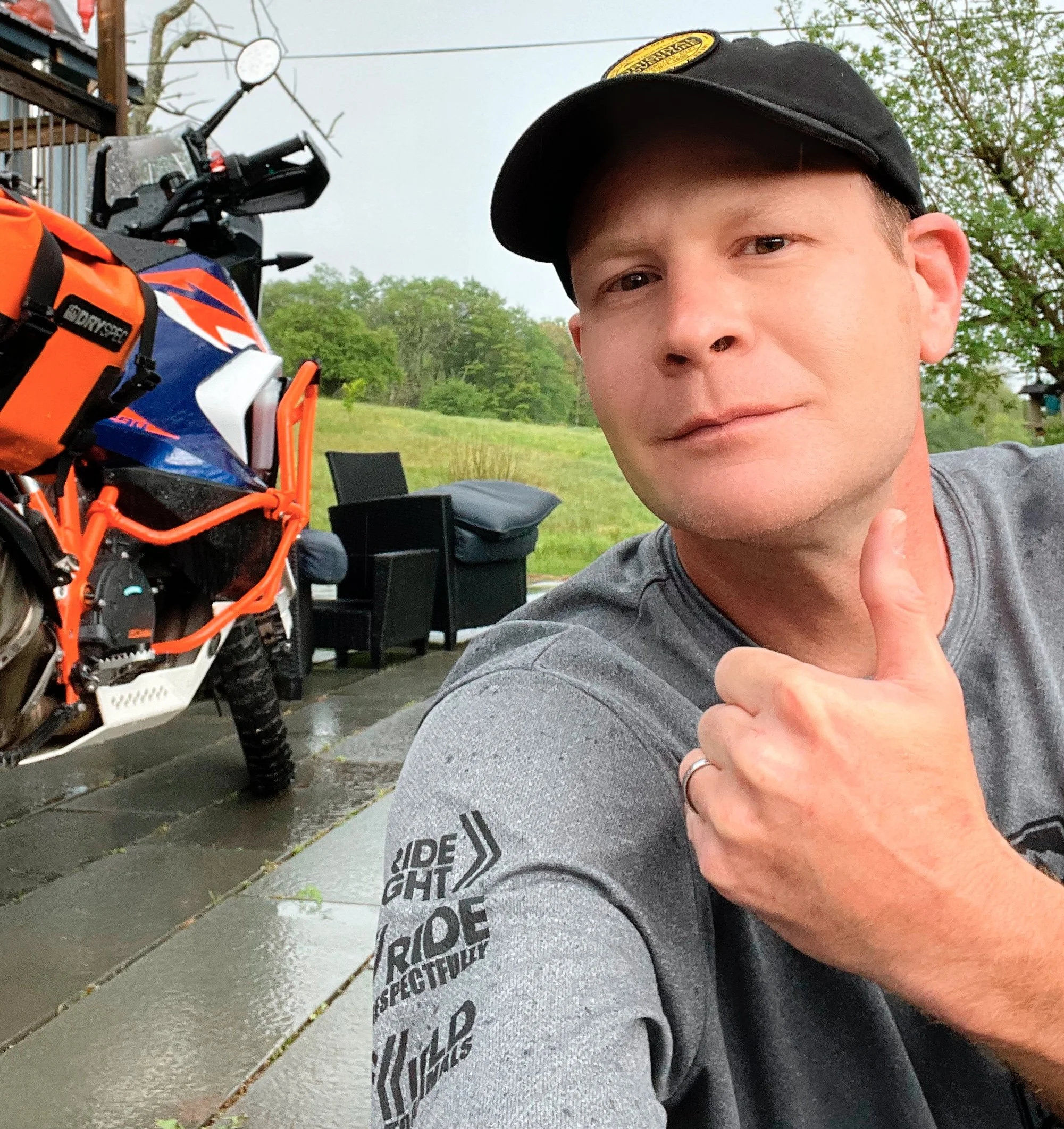
One of the most frightening situations a rider can face is realizing the bike won’t slow down on a long, steep mountain descent. That’s exactly what happened to Seth Cooper in Costa Rica. In this episode of Deep Trouble, Seth shares how a rented KTM 690 Enduro R, an unfamiliar mountain road, and a series of seemingly manageable decisions combined to create a genuine survival situation. It's a story about risk, assumptions, bike condition, route choice, and how options can disappear faster than you expect.
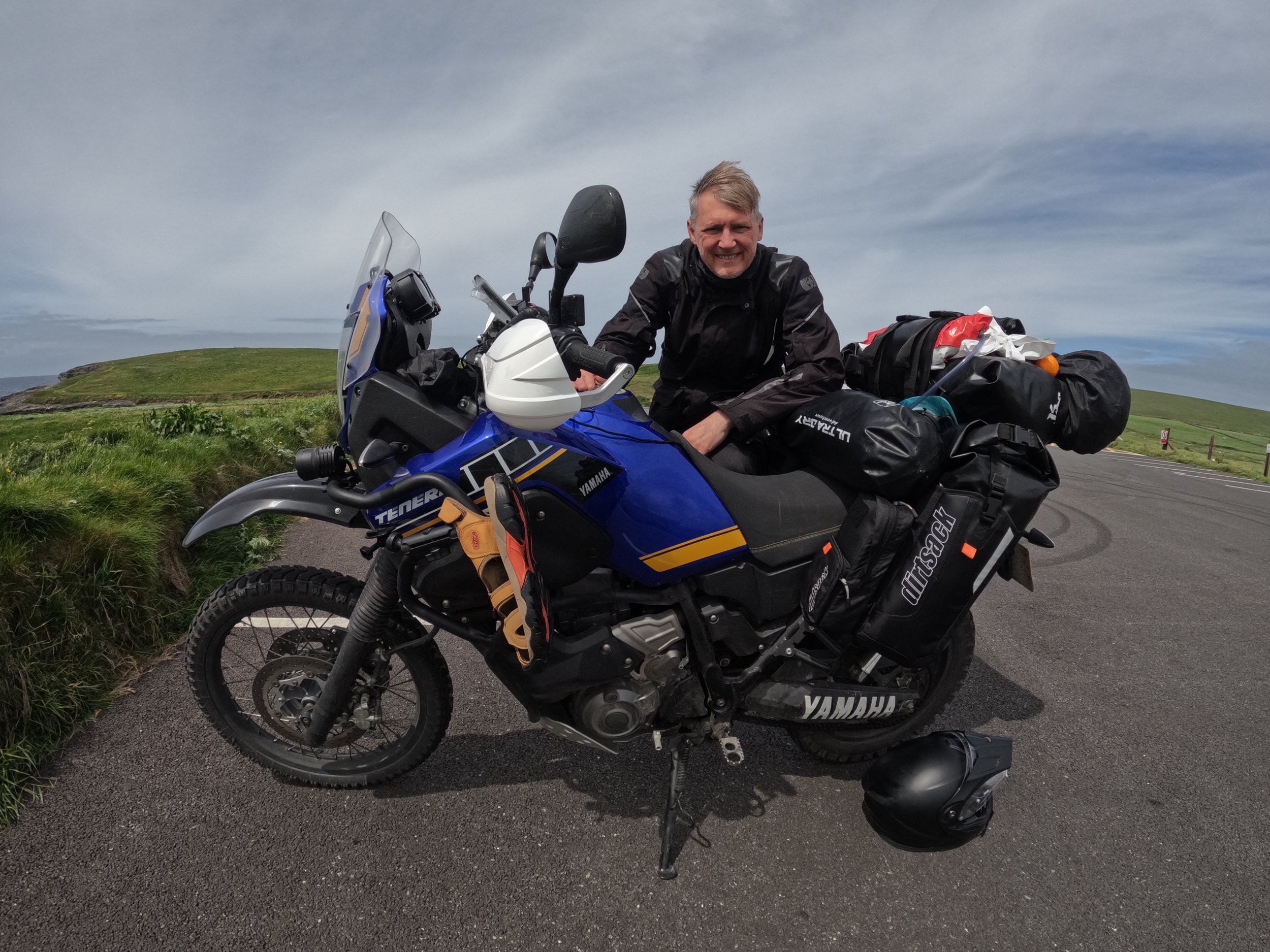
What happens when someone who’s spent a lifetime chasing schedules, productivity, and control suddenly trades it all for the uncertainty of the open road? After retiring from finance, Rob Bridges set off alone across Morocco, Europe, and the Sahara Desert on a six-month motorcycle journey—only to discover that the hardest part of the adventure wasn’t the riding, but learning how to slow down.
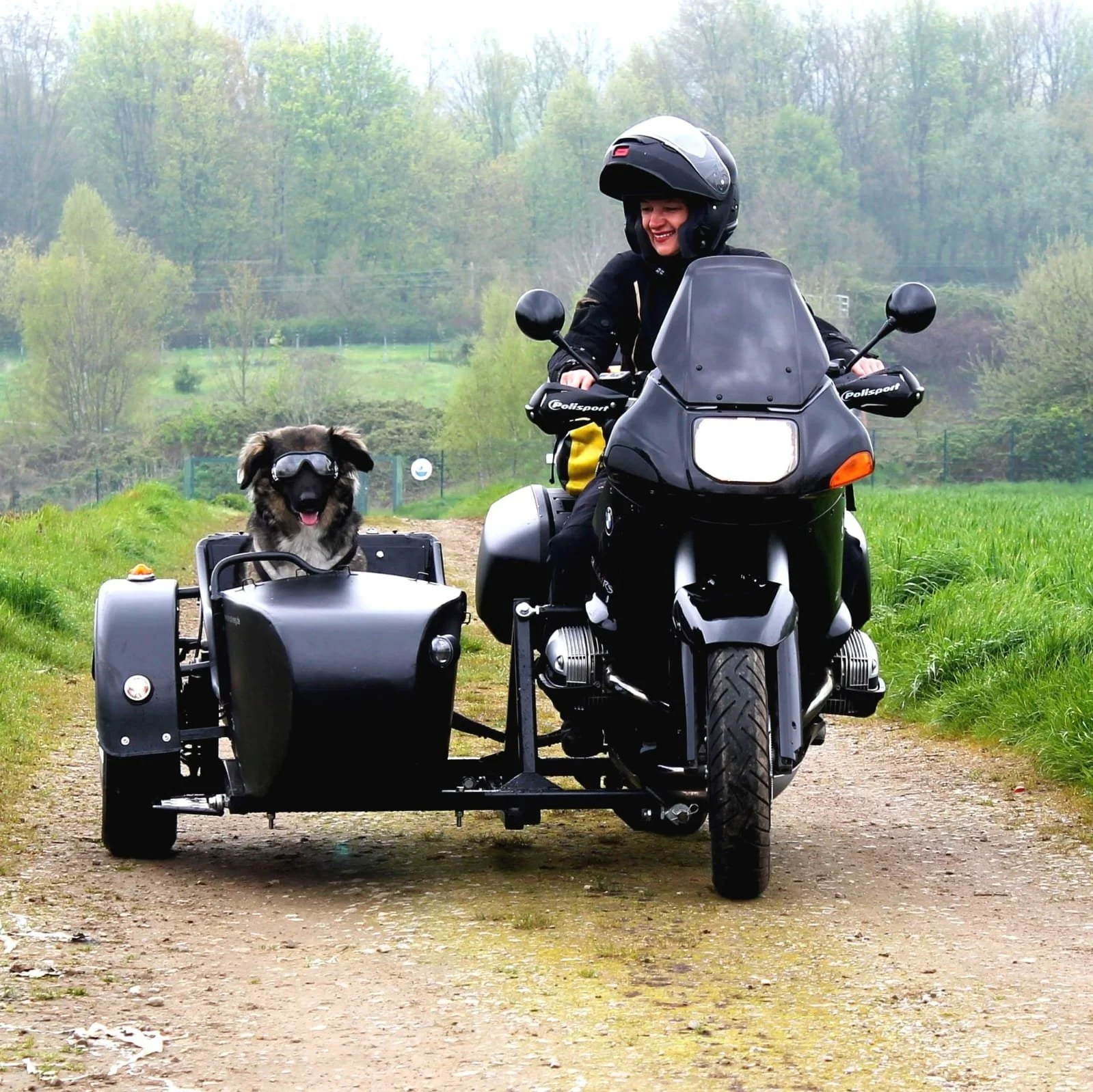
Eva Strehler had already learned what drew her to the road: freedom, movement, and a way of living outside the usual shape of things. Then she built a sidecar for her dog, Polly, and headed east. What followed was meant to be another long motorcycle journey — through Turkey, into Iran, and across landscapes that changed as quickly as the people she met along the way. But somewhere during the trip, the journey became about something else entirely. This is a conversation about travel, companionship, risk, solitude, and the moments that quietly change the meaning of a journey while you’re still inside it.
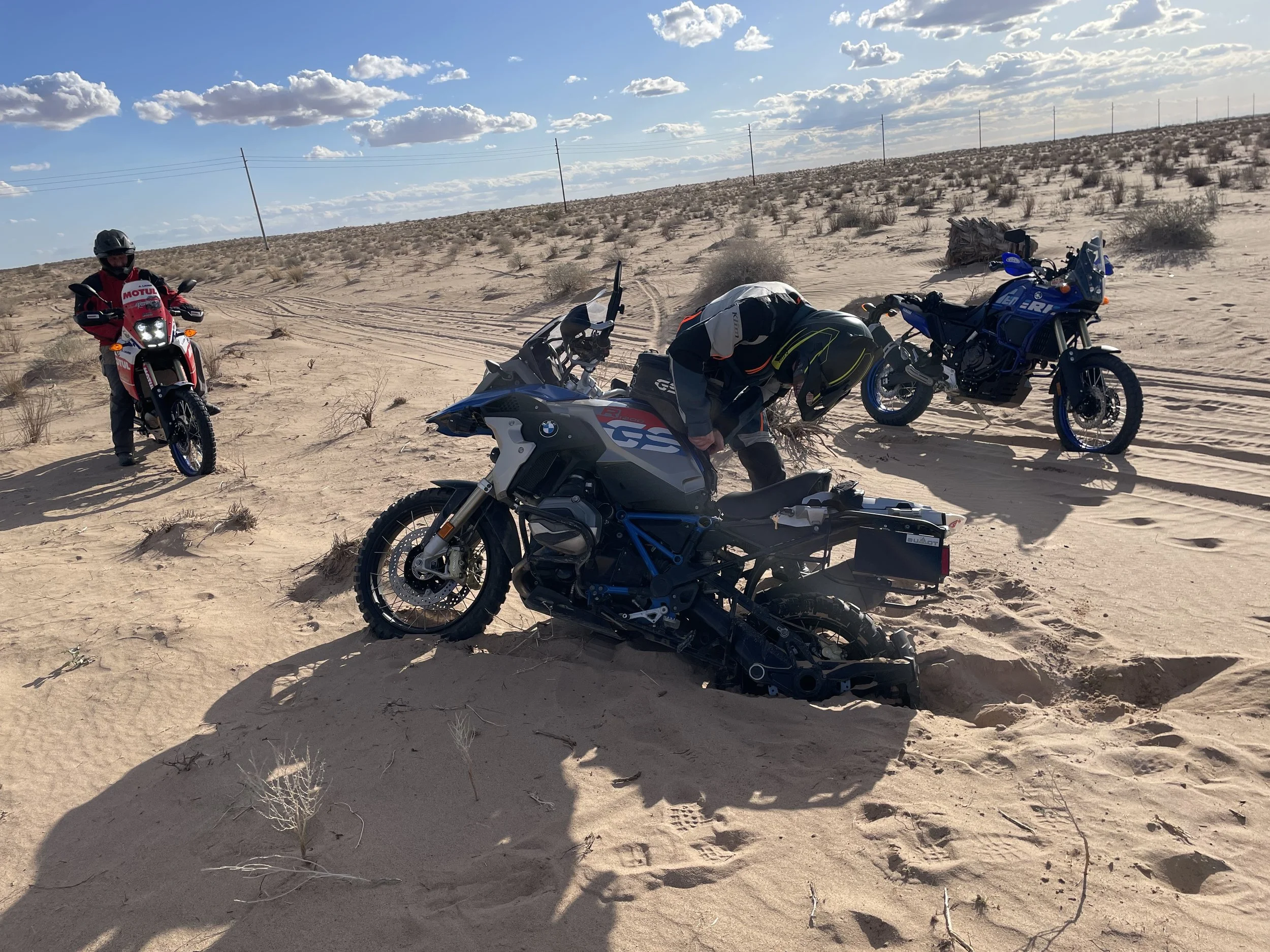
What do you do when your adventure bike is buried in sand, lying sideways on a slope, or wedged deep in a rut miles from help? In this episode, Jim talks with Clinton Smout, Adam Owens, and Chris Birch about the mindset, techniques, and recovery tools riders use when things go wrong off-road. From smart trail-side decisions and energy-saving recovery methods to simple techniques that can turn a bad situation around, this episode is packed with practical knowledge every adventure rider should hear before they need it.
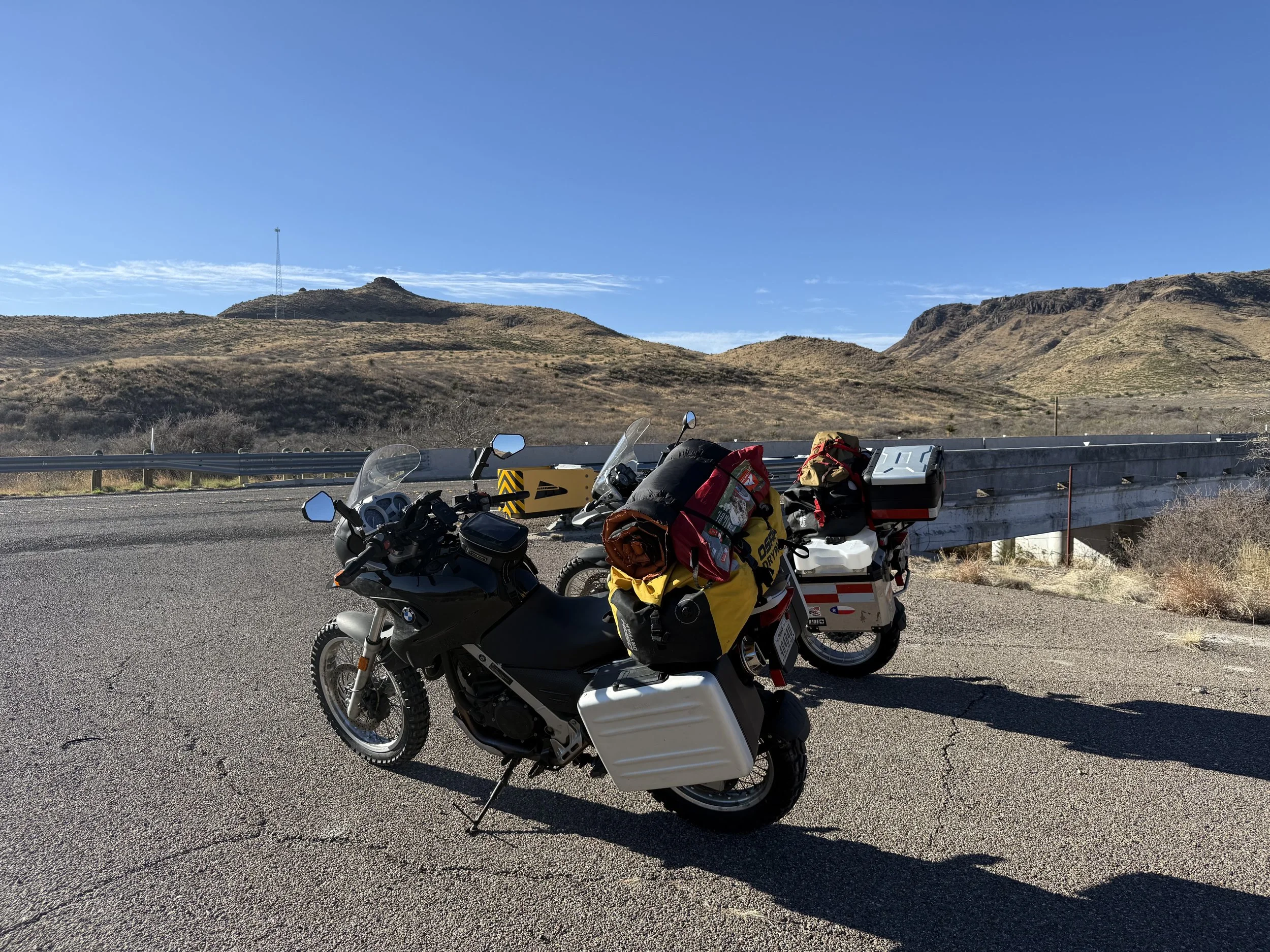
Clif Holland shares a father-and-son motorcycle adventure that took an unexpected turn shortly after arriving at Big Bend National Park. After a 700-mile ride to reach the start of their backcountry route, the decision to explore before staging their gear set the tone for what followed. Riding a heavily loaded BMW R1200GS on remote backroads, Clif quickly found himself facing the challenges of sand, weight distribution, and the limited margin for error on big adventure bikes, which led to DEEP TROUBLE. We talk about backcountry riding and the importance of preparation, training, and testing your setup before tackling routes like the BDR.
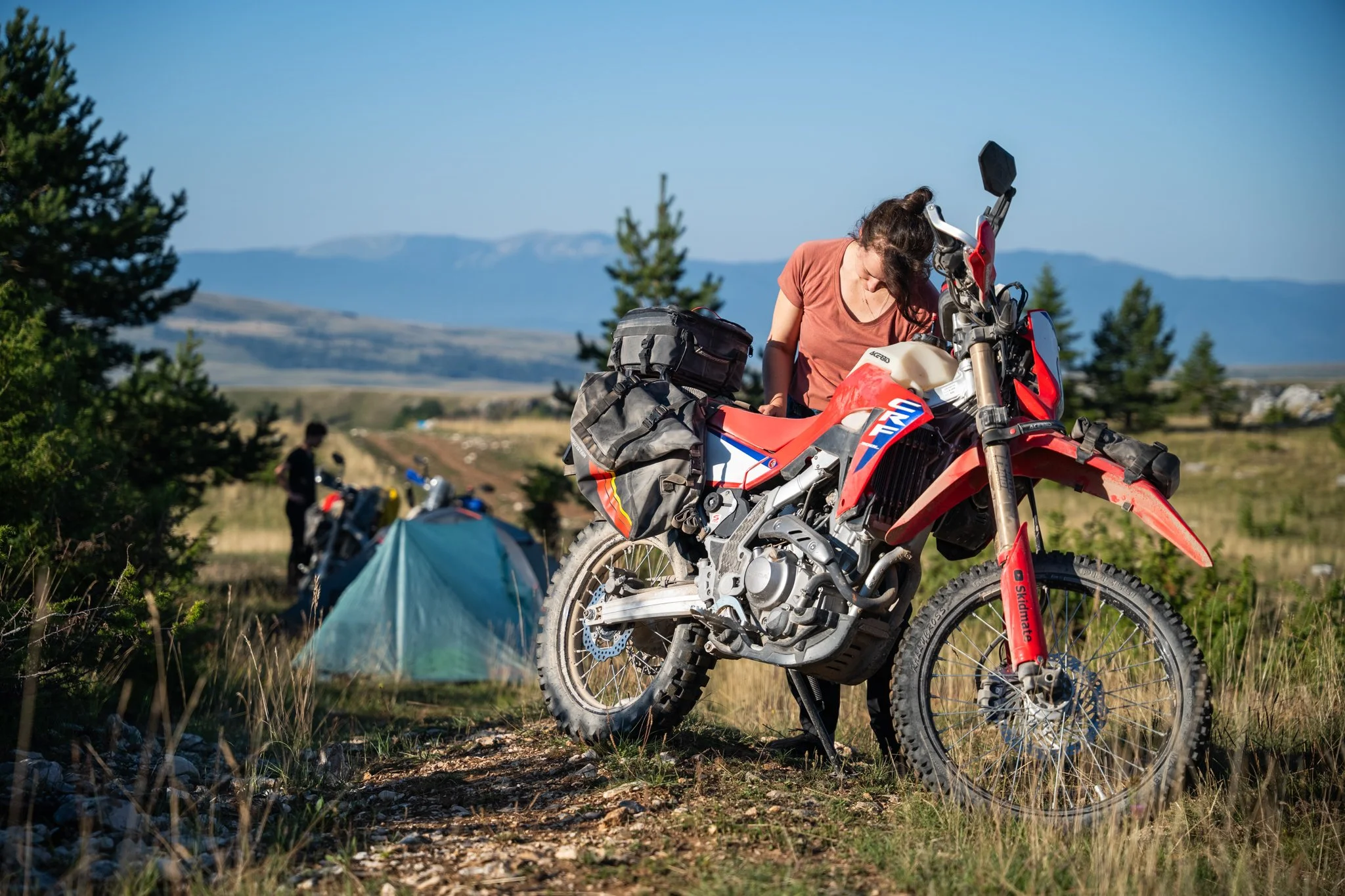
Luuk and Emma from the Netherlands are passionate dual-sport riders who have made it their mission to find that sweet spot between minimalist motorcycle travel and meaningful challenge. Riding their Honda CRF300L motorcycles, they’re currently pushing themselves to travel as light as possible — aiming for just 9 kg of gear per person — while still tackling terrain that stretches their skills.
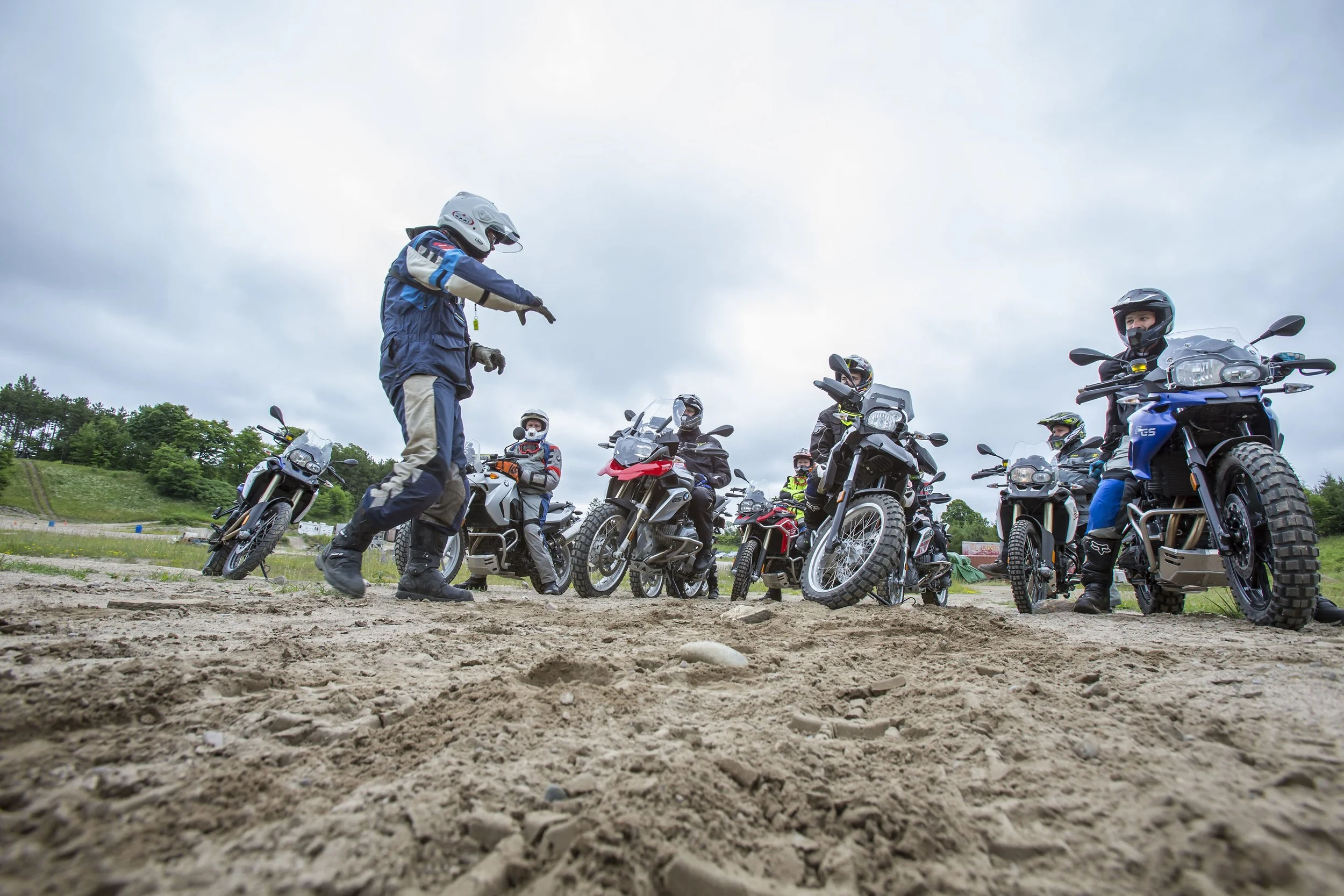
When the front tire starts to lose traction or the bike suddenly feels like it’s about to go down, most riders react with some kind of defensive move that feels instinctively right. But is it? In this Rider Skills episode, Clinton Smout joins Jim Martin to look at what’s really happening in those split-second moments when an adventure motorcycle starts to let go off-road — and why what feels like a save may not be one at all.
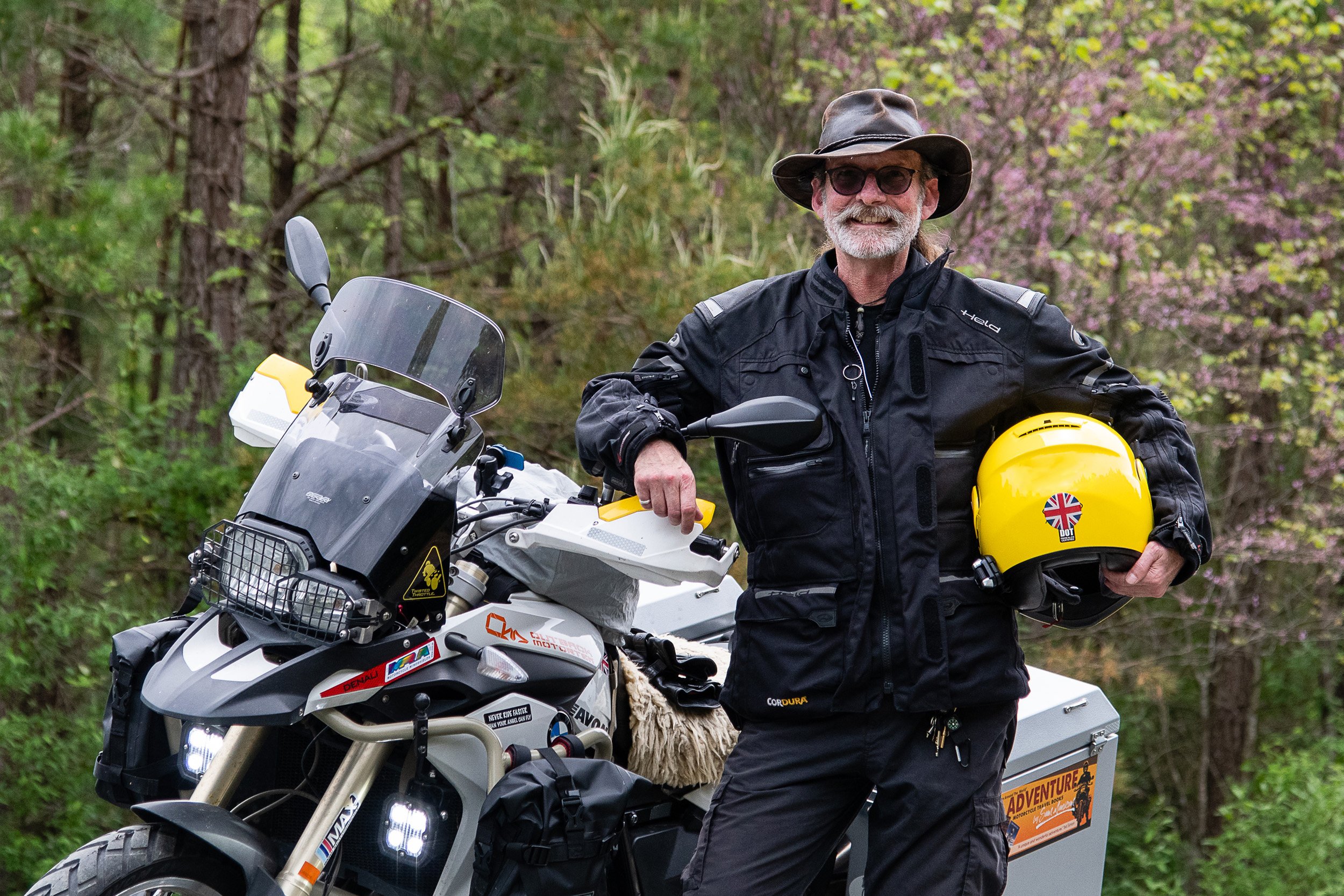
Planning a motorcycle trip? Whether you’re riding close to home or heading off on a long-distance adventure, the right advice can make all the difference. In this episode, we’ve curated the best motorcycle travel tips and adventure riding advice from past conversations—bringing together practical insights from experienced riders who have spent years on the road. Featuring renowned motorcycle adventurers Sam Manicom, Tiffany Coates, and Michnus and Elsebie Oliver, this episode covers essential motorcycle trip planning, packing tips, travel mindset, and real-world lessons from life on two wheels. Whether you’re preparing for your first motorcycle tour or you’re a seasoned adventure rider, these expert tips will help you plan smarter, pack better, and ride with confidence. Because when it comes to motorcycle travel, the best way to prepare… is to learn from those who’ve already done it.
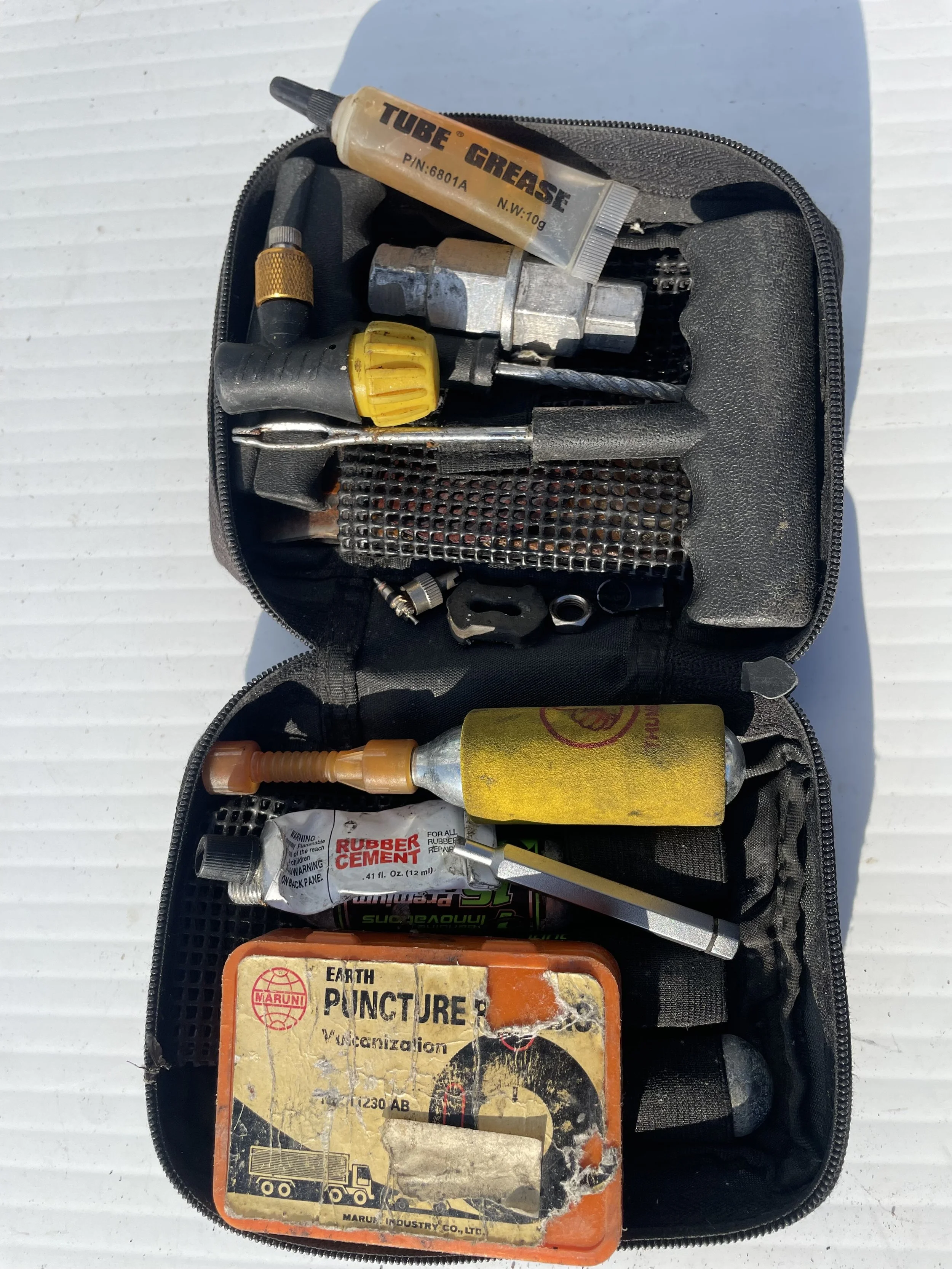
Putting together the right toolkit can make all the difference when you’re out riding—especially on an adventure bike, where help isn’t always close by. We talk about how to build an efficient setup, from choosing what actually belongs in your kit to organizing it so it’s easy to use when it matters most. The conversation covers how to prepare for unpredictable issues like flat tires, leaks, and bent or broken parts, along with the often-overlooked supplies that can save the day during a roadside or trailside repair. Along the way, Jim talks with Clinton Smout from SMART Performance Centre about building a toolkit around the jobs you’re most likely to face, and we’re joined by Matthew Kunz from Obsidian Adventure Gear to look at compact, bike-specific tool systems designed to keep you prepared without carrying half the garage.
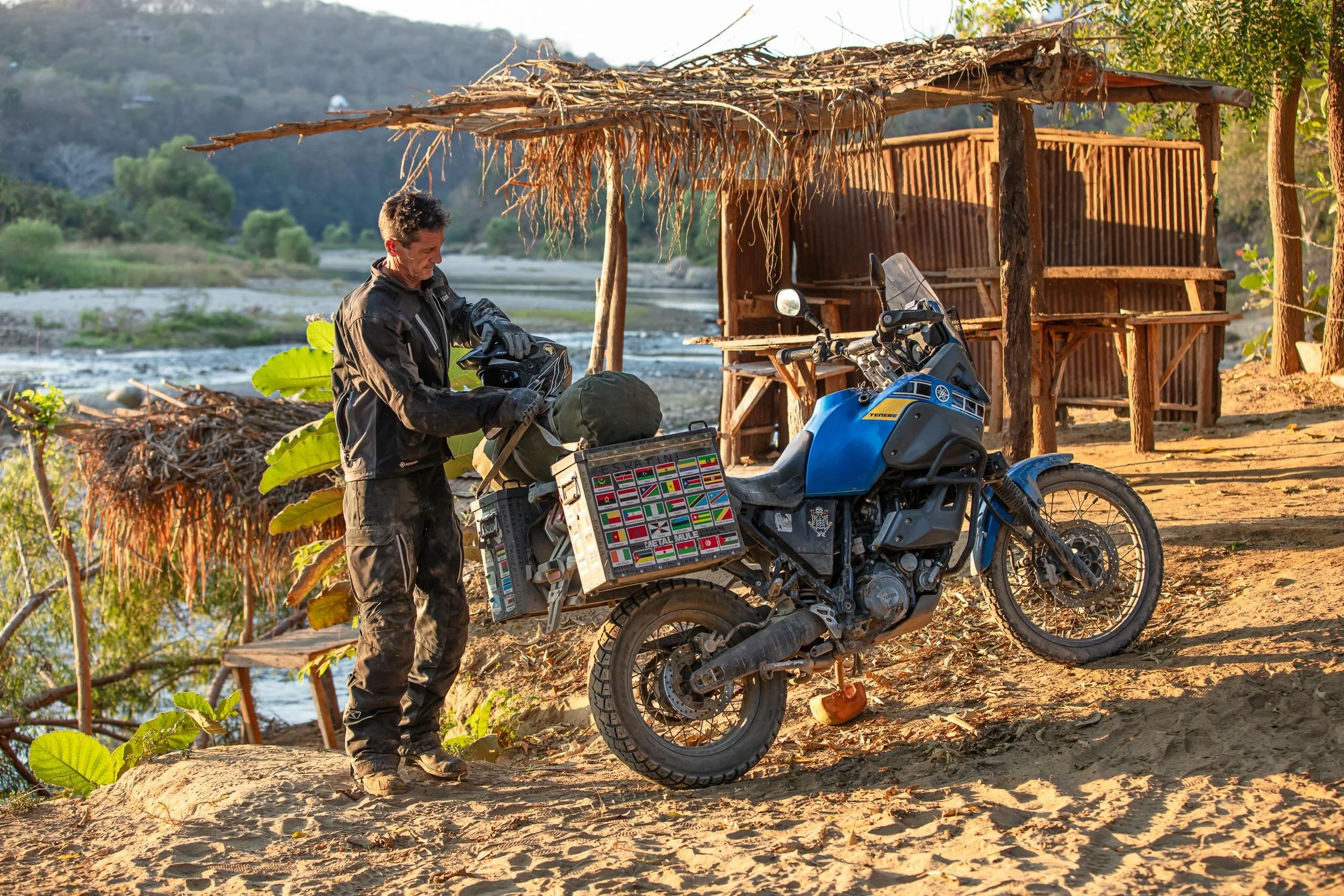
Mexico is one of the easiest international adventures for riders from the U.S. and Canada—close enough to reach without a major expedition, yet different enough to feel like true travel. From Baja desert tracks to mountain twisties, high country, and coastal roads, the riding is as varied as the culture, food, and landscapes. Spencer Conway has spent the past several years living in Mexico and riding more than 66,000 kilometres through 24 states. Speaking from his home in Oaxaca, he shares what makes Mexico such a compelling destination for motorcycle travel, why he stayed, what many riders miss about traveling there, and why the country offers far more depth and variety than most riders realize.
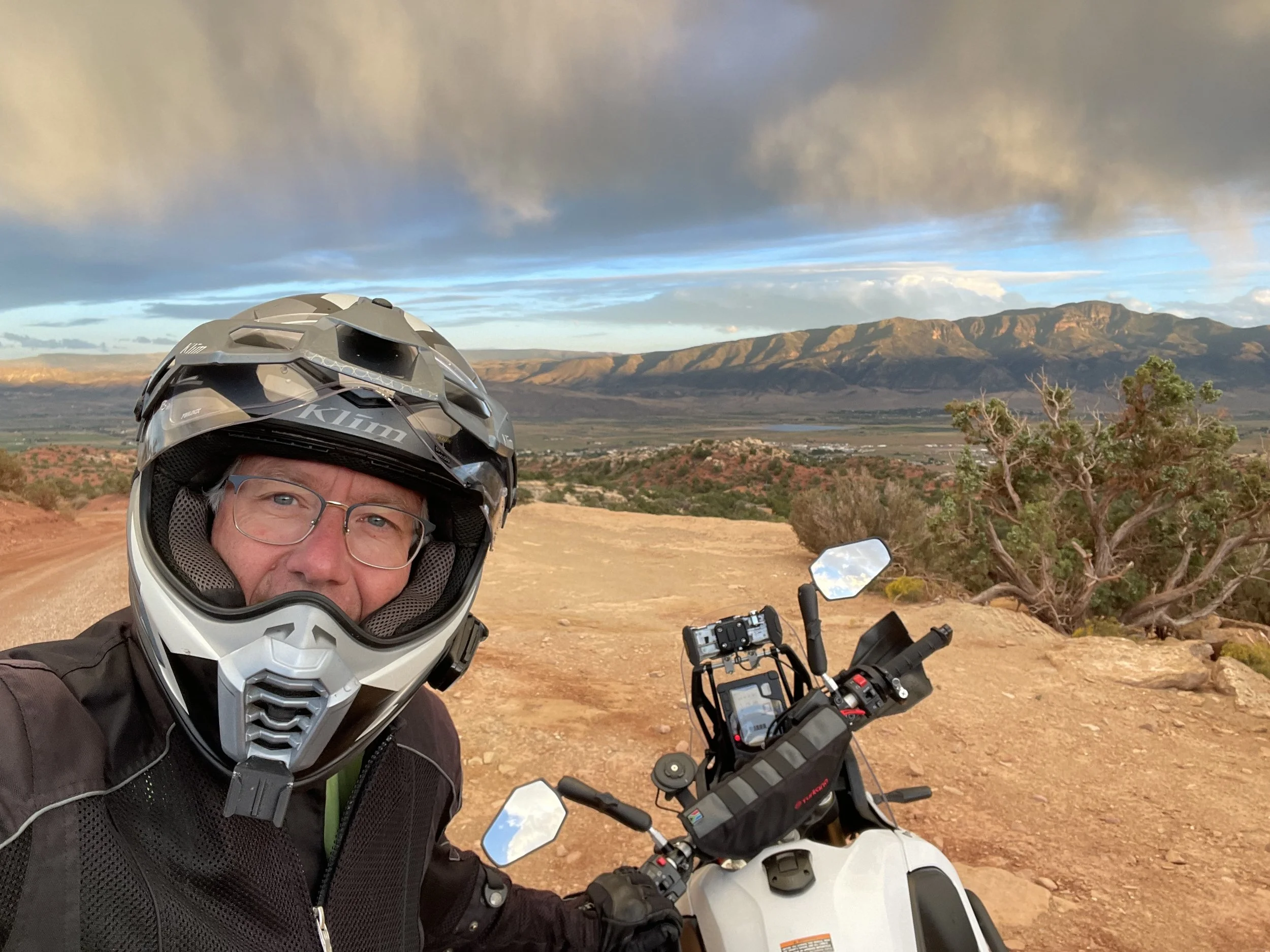
There’s a side of motorcycle training almost no one talks about — the mental pressure of learning new skills in front of other riders. Why can training make you feel like you’ve suddenly gotten worse before you get better? Why does confidence sometimes drop even when your skills are improving? Through rider Erik Wilkinson’s experience, along with insights from expert trainer Chris Birch and Monica Birch, we explore what’s really happening in your mind during training — and how to manage it so you come out a stronger, more confident rider.